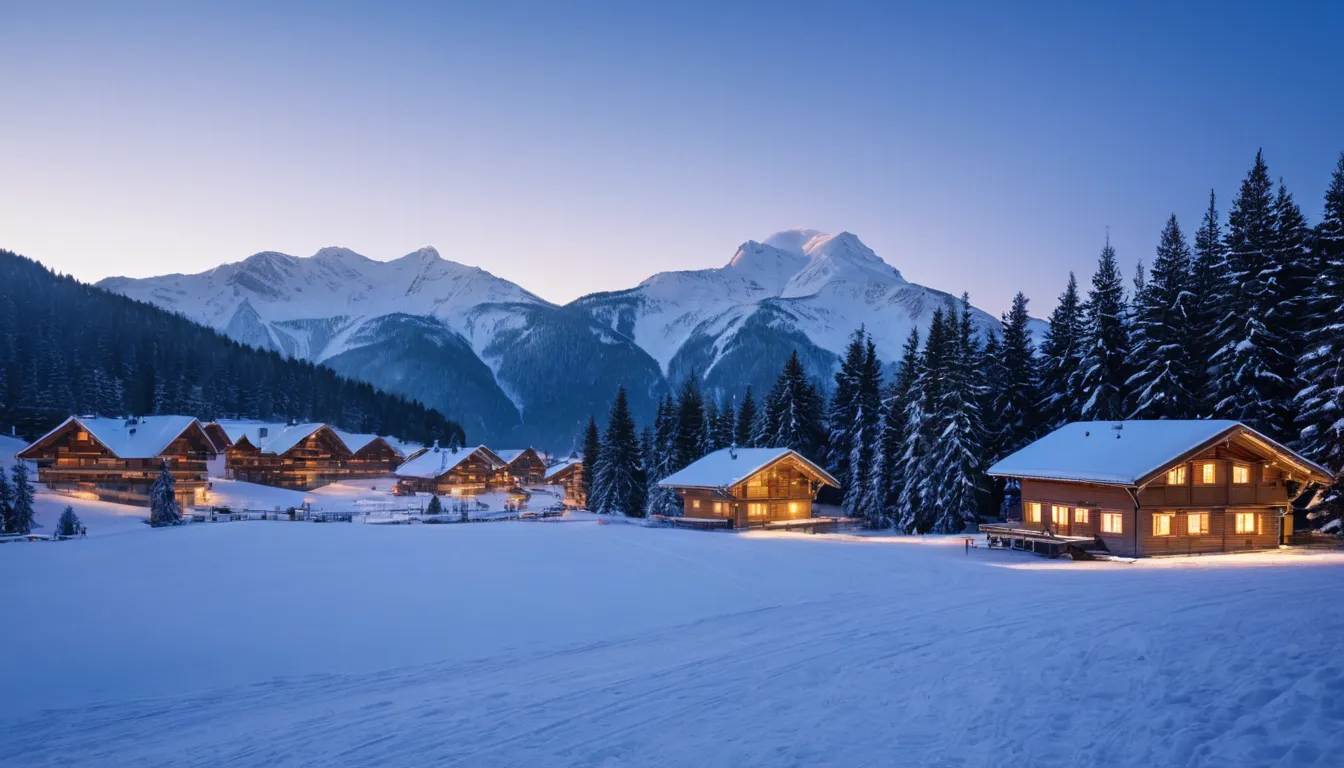
Getting from your bed to the slopes
"Ski-in, ski-out" usually means you can ski to and from the building, or very close to it. In practice it covers a range, from a door that opens onto a run to a short walk or a slope you have to climb at the end of the day. Ask exactly how guests reach the nearest lift, how long it takes in ski boots carrying gear, and whether there is a shuttle and how often it runs.
Ask too where gear is stored. A heated boot room near the exit makes early starts much easier than carrying skis through a lobby.
Passes, rentals and lessons
The room price rarely includes everything you need to ski. Lift passes, equipment rental, lessons and childcare are often separate, and they can add up to more than the room. Some resorts sell packages that bundle them. Others leave you to buy from the ski area directly.
- Ask whether lift passes are included, and for which days and which lifts.
- Ask where rentals are fitted and whether you can book a time.
- For lessons, ask about group sizes, age ranges and whether peak weeks sell out.
- Check whether buying passes online in advance is required or simply cheaper.
Snow and season timing
In the Northern Hemisphere the main ski season usually runs from about December to April. In the Southern Hemisphere it is roughly June to September. Snow cover early and late in the season is less certain, and not every run or lift may be open. Higher slopes and north-facing runs (south-facing in the Southern Hemisphere) tend to hold snow longer.
Holiday weeks are the busiest, with longer lift lines and full ski schools. If your dates are flexible, ask the resort how busy your week usually is, and look at what the cancellation terms say about poor snow.
Altitude and cold
Many ski resorts sit high, and some people feel the effects of altitude above about 2,500 m (8,000 ft), such as headaches, poor sleep or shortness of breath. If you have a heart or lung condition, are pregnant or are traveling with very young children, talk to your doctor before you book a high resort. They can advise on whether the altitude suits you and what to watch for.
Cold, wind and strong sun on snow all need planning. Ask whether the resort has a medical clinic nearby and how far the nearest hospital is.
Days off the slopes
Not everyone in a group skis every day. Ask what there is for non-skiers and on bad-weather days: a pool, a spa, walking trails, a village with shops and restaurants, or very little. A remote resort with one restaurant can feel small by day four.
Questions to ask a ski resort
Insurance for ski trips
Many standard travel insurance policies treat skiing and snowboarding as a higher-risk activity that needs extra cover. Read the policy for winter sports, mountain rescue and off-piste skiing before you travel, and ask the insurer if anything is unclear.